Making Our Nation
Work for the Many,
Not the Few.
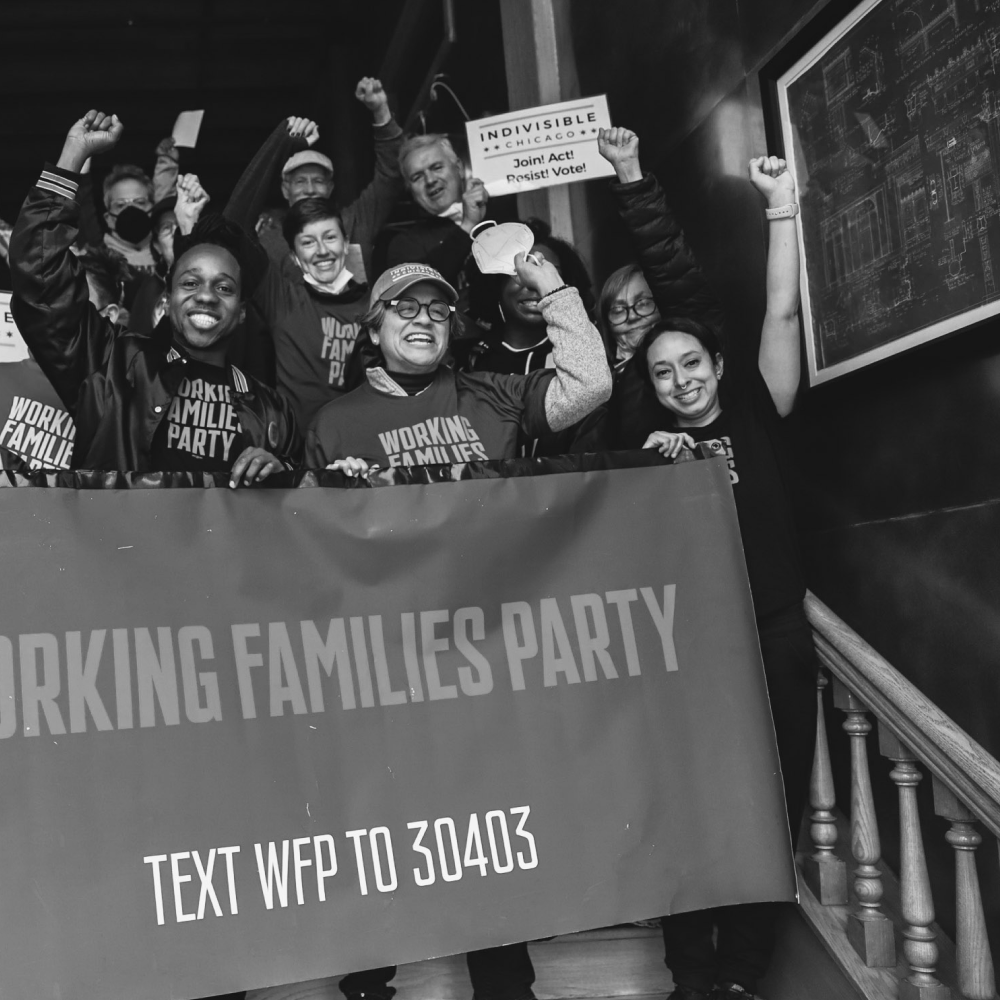
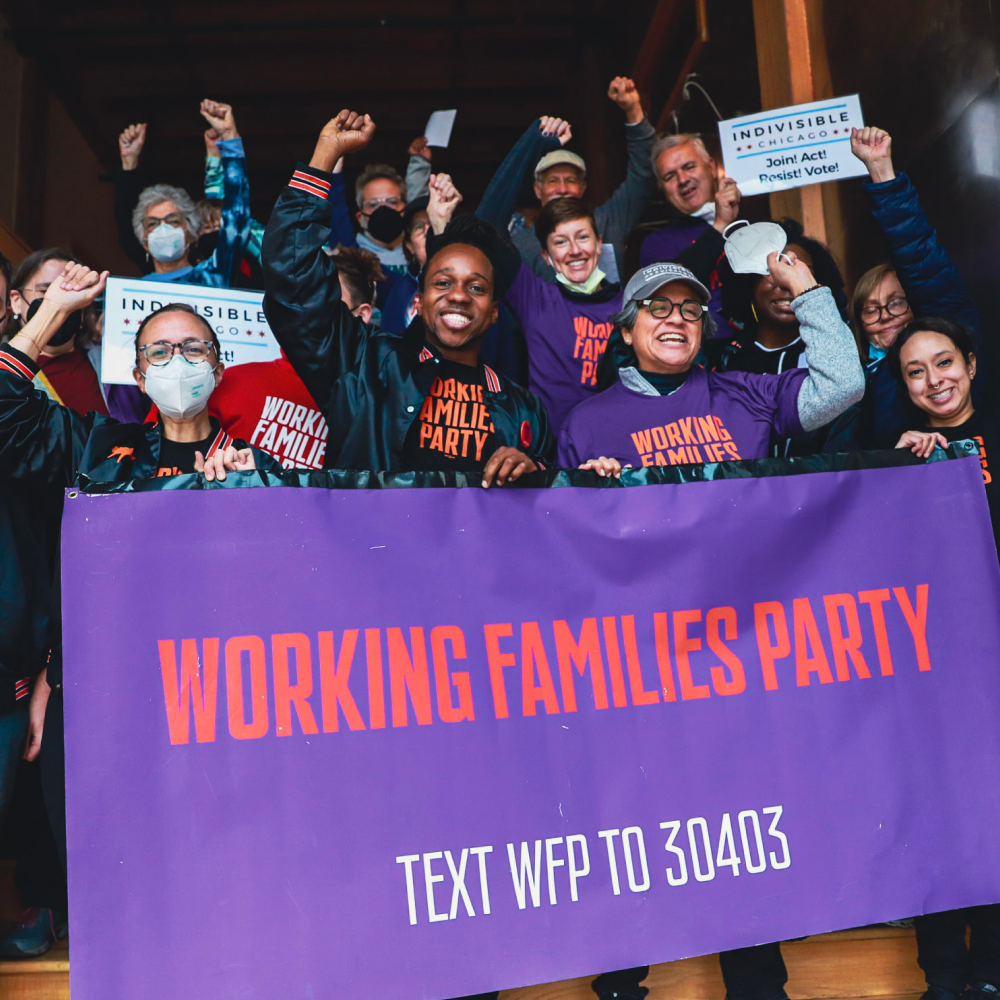
We’re building a multiracial party of working people to transform our country.
State by state and community by community, WFP is building a political home for all of us who see bigotry, bailouts, and business as usual in our political system and ask, “Is that the best we can do?”
Latest
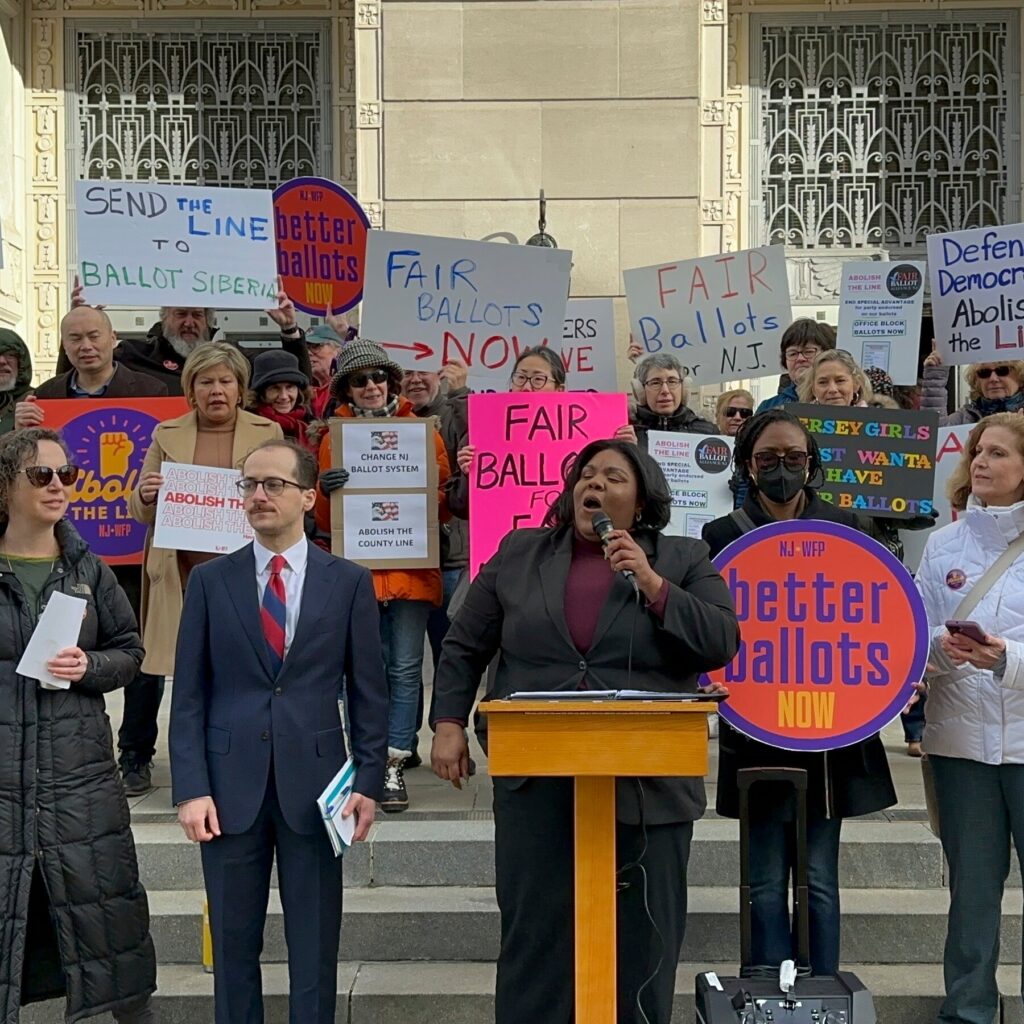
NJWFP Hails Historic Ruling to Abolish the Line, Strengthen Democracy
WATCH: 2024 WFP Response to State of the Union
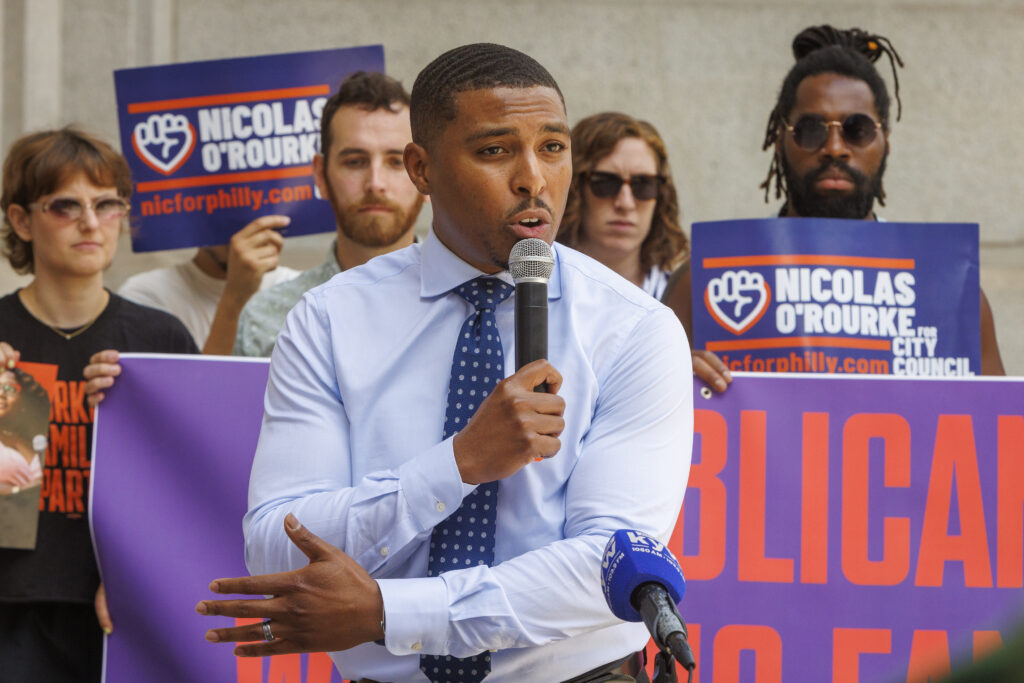
Nicolas O’Rourke to Deliver 2024 WFP Response to President Biden’s State of the Union Address
Ceasefire Tracker
Victory for Nicolas O’Rourke and Kendra Brooks!

WFP: “There is no military solution to this conflict, and there never has been”
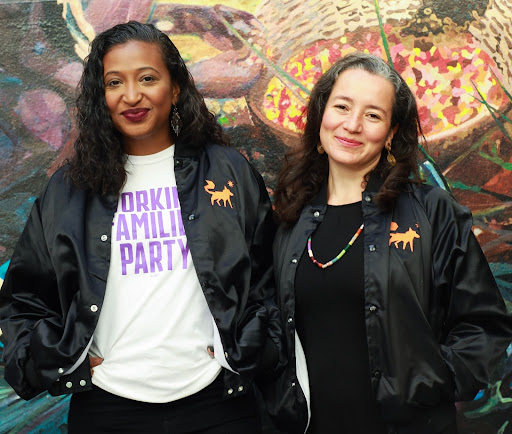
Welcome NYWFP Co-Directors Ana María Archila and Jasmine Gripper!
Working Families Party to Hold First National Convention in Philadelphia
Virtual Labor Solidarity Rally with WFP and UAW