The growing clout of left-wing party
Working Families rules Albany; now it’s targeting city
By Daniel Massey
It’s not every party boss who shows up to lunch days before a critical election wielding a copy of A Populist Manifesto. Or who launches into a soliloquy on the virtues of social democracy before the waiter ven has a chance to take his order.
“I was just getting a head of steam up,” laments Working Families Party Executive Director Dan Cantor, as the server interrupts.
Then again, Mr. Cantor isn’t your typical politico. Known for his dirty shirts and ratty shoes, the 54-yearold unabashedly expects politicians who ride into office on his organization’s back to support measures such as those that raise the minimum wage, preserve affordable housing, or mandate paid sick days instead of creating patronage jobs for his pals. Mixing big ideas with what he calls “a little bit of oomph to get them noticed” (think knocking on nearly 1 million doors per year), has helped the party champion a leftwing agenda the likes of which has not been seen in New York state since the 1920s.
“We actually believe that you can use the power of the state to mitigate some of the inequalities inherent in a market society,” Mr. Cantor says. In recent years, the labor-backed group has leveraged those state powers more effectively than party officials ever imagined possible, campaigning to propel Democrats into control of the Senate, boost the minimum wage, reform the Rockefeller Drug Laws, and champion a so-called millionaires tax.
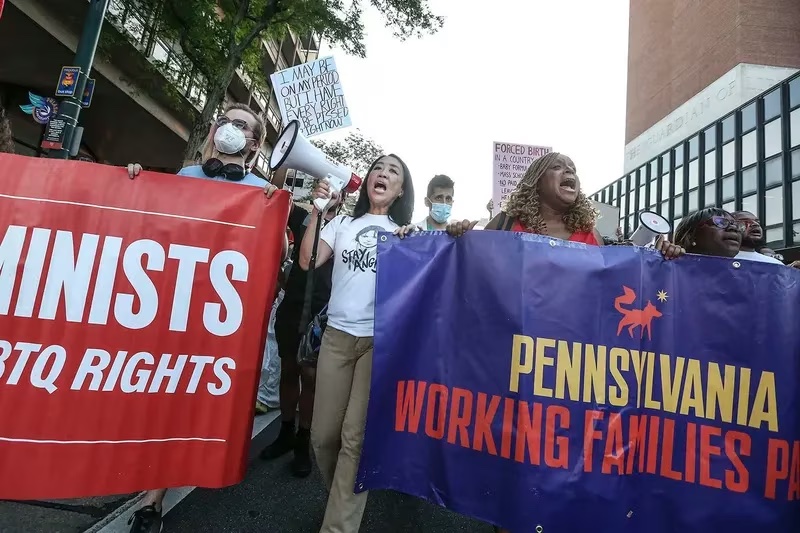
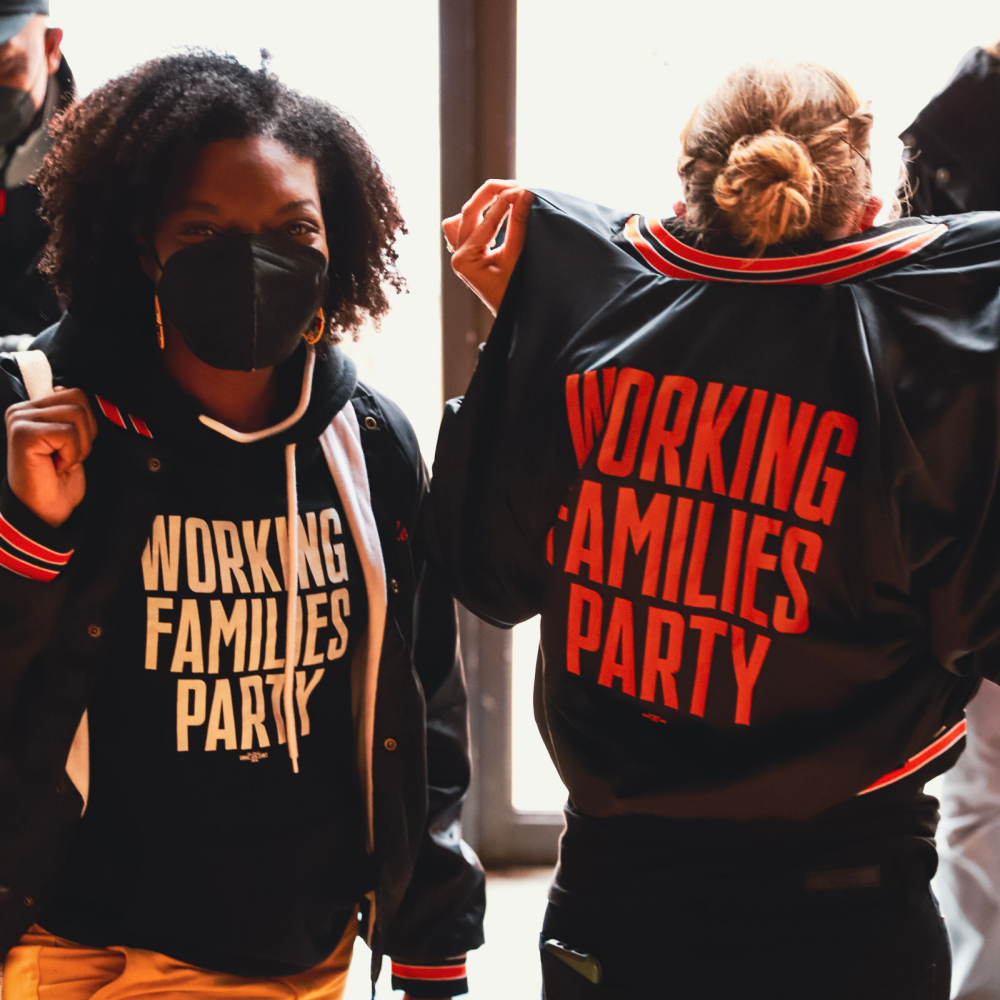
The party gives its union and community affiliates the chance to step beyond the traditional bread-and-butter issues they regularly deal with on behalf of members to tackle broader social matters like the environment, housing and the minimum wage. Tuesday’s primary, which has dozens of WFP-backed candidates running in both local and citywide races, will be a test of whether the 11-year-old party can replicate its statewide success here in the city. The outcome in six council races—where the group endorsed upstart community organizers—and the comptroller, public advocate and Manhattan district attorney races will be watched particularly closely in local political circles. Insiders say the party’s candidates have a good chance of winning in four of the six council races and to force runoffs in the comptroller and public advocate contests.
“They’ve really emerged as a force, and by the end of day Tuesday could be even more potent,” says Douglas Muzzio, a political scientist at Baruch College. “If they get any number of the insurgent council candidates to win, that will really be a coup.”
The party’s growing influence has created anxiety in the business community, and among many Republican elected officials, and even some Democrats, with the latter group growing upset when the WFP backs challengers to their seats. Last month,after press reports questioned whether the WFP’s for-profit field operations arm, Data and Field Services, provided discounted services to WFP candidates, the Campaign Finance Board warned that the company was a wing of the party and that its services had to be reported as either in-kind contributions or expenditures.
Mr. Cantor and the WFP’s candidates say that’s exactly what’s been happening, though that hasn’t stopped opposition candidates from pouncing on the issue during an otherwise quiet election season.
Anathema to business
Long-term, however, it’s business that has the most to lose from the WFP’s ascent. “They’re extremists on many issues,” says Steven Spinola, president of the Real Estate Board of New York. “And if elected officials decide to go in lockstep with those extreme views, it’s something we’ll take into consideration in terms of who we’re supporting and how we’re supporting them.”
Already, REBNY has joined with organizations like the Rent Stabilization Association and the Business Council of New York State to bolster the Independence Party in an effort to counteract the growing influence of the WFP.The two real estate groups are particularly concerned with the WFP’s vigorous campaign to strengthen rent regulation, while small business owners are worried about a legislative drive to compel employers to give workers as many as nine paid sick days per year.
“Every time we deal with Democratic elected officials, their basic response is,‘You have to do something about the Working Families Party,’ ” says Joseph Strasburg, president of the landlord-backed RSA, noting that many elected officials are afraid to cross the party. “They view [WFP] support as critical for purposes of getting elected.”
One key Democrat in Albany who has grown close to the WFP is Assembly Speaker Sheldon Silver, who calls party leaders “exuberant, not extremist.” Mr. Silver says the relationship developed as he and the party worked together on issues ranging from the minimum wage and taxes to rent regulation and green jobs. The party is taken seriously because it combines “substantive ideas with political clout,” according to Mr.Silver.“They’re good allies to have because they’re ready to work,” he says.
After focusing on statewide issues through much of the party’s history, Mr.Cantor and his fellow WFP leaders are beginning to do more of that work in the city, where Republican mayors have reigned for the past 15 years. Their first major push is the paid sick leave campaign. And as they look to the future,they’ll seek to take a page out of New York’s past.
“We think of the role New York State played in the 1920s as a laboratory for the New Deal,”says party cochair Bob Master, referring to legislative measures under former governors Al Smith and Franklin Delano Roosevelt that addressed factory safety, workers’ compensation, women’s pensions and child labor.“Our goal is to replicate that for a new era.”